Why Good Conveyancers Look Inefficient (and What Visibility Changes)

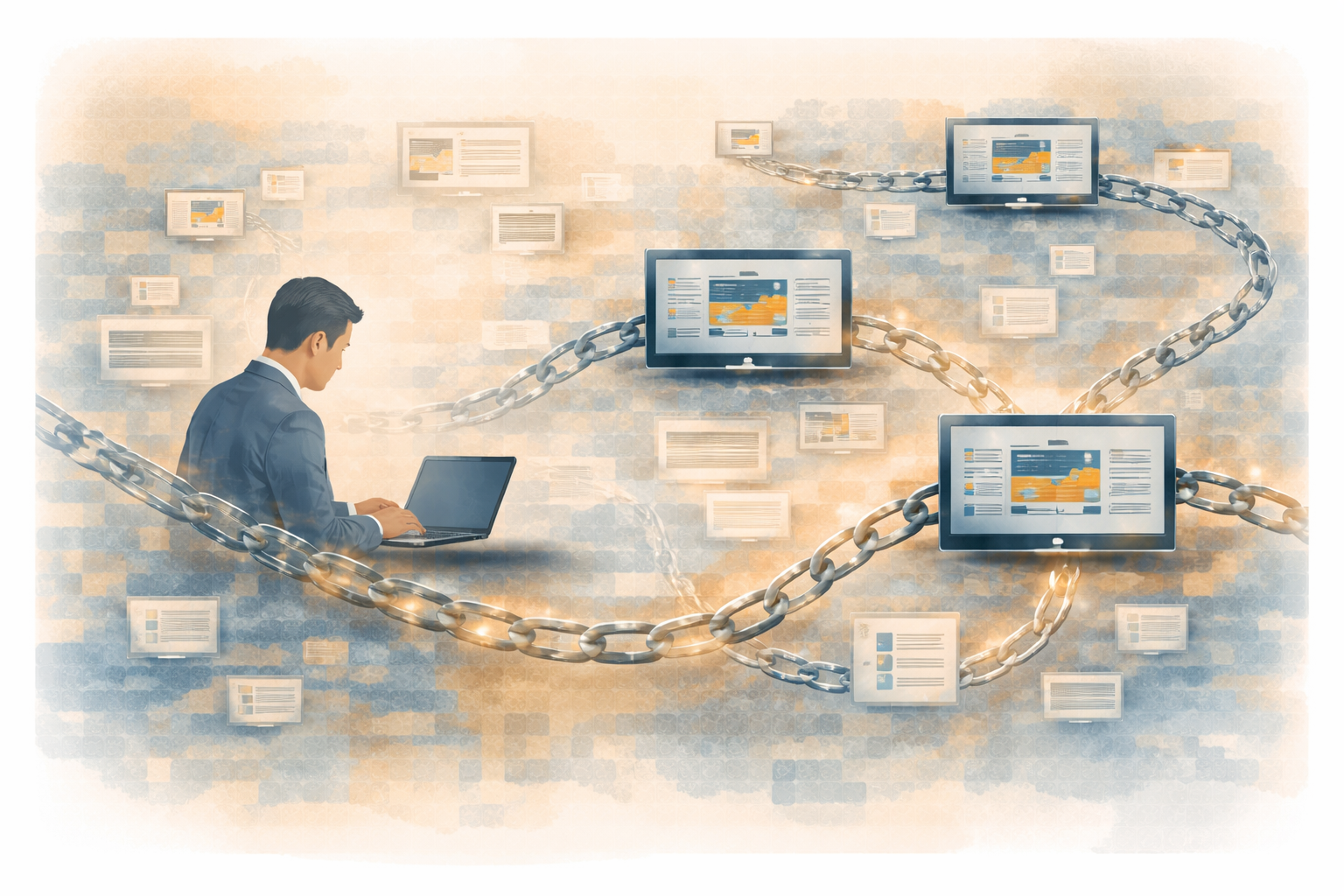
In most conveyancing firms, performance is measured by activity: files progressed, enquiries answered, completions achieved. The difficulty is that without chain visibility, activity and effectiveness are easily confused.
A fee earner working sixty files will usually know which matters feel ‘live’, which are ‘quiet’ and which are ‘under pressure’. Some sit in aligned chains, ready for exchange. Others are blocked three links away by a missing mortgage offer or a buyer who hasn't yet instructed. From the outside — and often from the inside — both look the same.
The result is that good conveyancers can look inefficient. They may be making sensible decisions about where to focus, but those decisions are invisible to anyone reviewing their caseload. Conversely, a fee earner who chases everything with equal intensity can appear diligent, even when much of that effort is wasted on files that cannot yet progress.
This creates several problems.
Performance management becomes distorted. Partners and supervisors see activity levels but not the reasoning behind them. A fee earner who correctly deprioritises a blocked file may appear to be neglecting it. One who spends hours chasing a structurally stalled chain may appear to be working hard.
Prioritisation becomes defensive. When effort is invisible, fee earners protect themselves by spreading activity across the caseload rather than concentrating it where it matters. This is rational behaviour in a system that cannot distinguish between productive work and noise.
Firefighting replaces sequencing. Without visibility into chain structure, problems only surface when they become urgent. Fee earners spend their time reacting to crises rather than anticipating them, and the crises themselves are often caused by constraints that could have been identified weeks earlier.
What changes with chain visibility is not the work itself but how it can be understood. When you can see where a file sits in its chain, and where the constraints actually lie, prioritisation becomes explainable. A decision to pause work on a blocked file is no longer an absence of activity — it's a visible judgement call based on information everyone can see.
This matters for individual fee earners, who can demonstrate that their decisions are grounded in chain reality rather than guesswork. It matters for supervisors, who can distinguish between genuine prioritisation and avoidance. And it matters for firms, who can stop rewarding activity for its own sake and start recognising the people who allocate effort well.
The legal work doesn't change. What changes is that good judgement becomes visible — and can finally be recognised for what it is.
This is the third in a series exploring how property infrastructure is evolving — from file-centric processing to chain-level coordination.
#conveyancing #proptech #propertydata