What Mortgage Brokers Should Know About Chain Visibility
Mortgage brokers in the UK sit at an unusual point in the property transaction. You're rarely the reason a case stalls, but you're often the first person your client...
Mortgage brokers in the UK sit at an unusual point in the property transaction. You're rarely the reason a case stalls, but you're often the first person your client...
A UK house purchase takes an average of 12 to 16 weeks. Much of that time is spent waiting, chasing, or discovering problems that could have been visible earlier. The...
Your vendor just called. Again. They want to know what's happening with their sale. You checked the file yesterday, and nothing has changed, but you still spent ten...
Around one in three UK property sales collapse before contracts are exchanged. That figure reflects a coordination problem, not a motivation problem. Estate agents,...
Property transactions in England and Wales hinge on a sequence of linked sales and purchases that must complete together. When one link stalls or breaks, the entire...
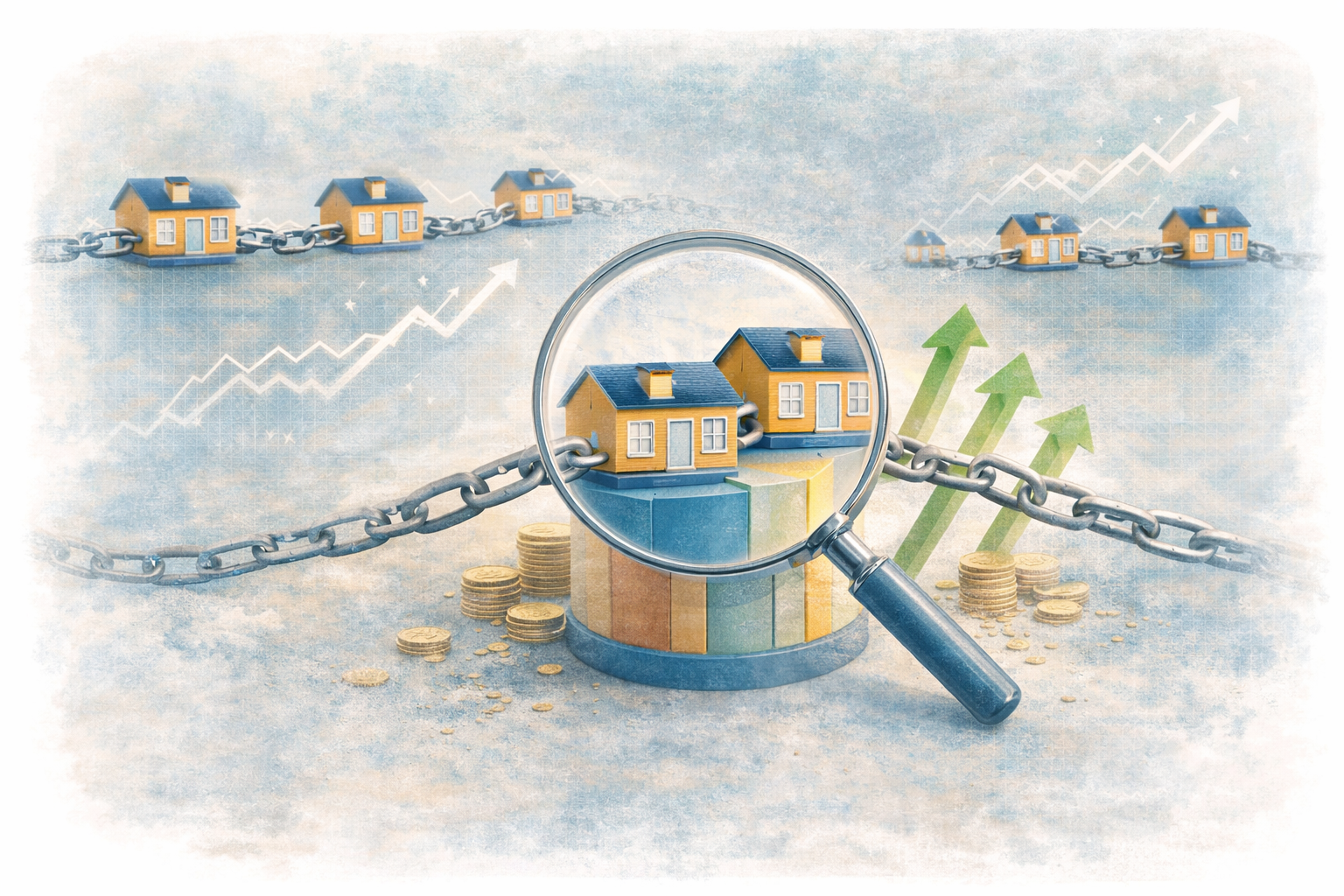
As chain visibility becomes more widely available, the question of adoption shifts from whether to when. But there is a subtler question underneath: who benefits most...
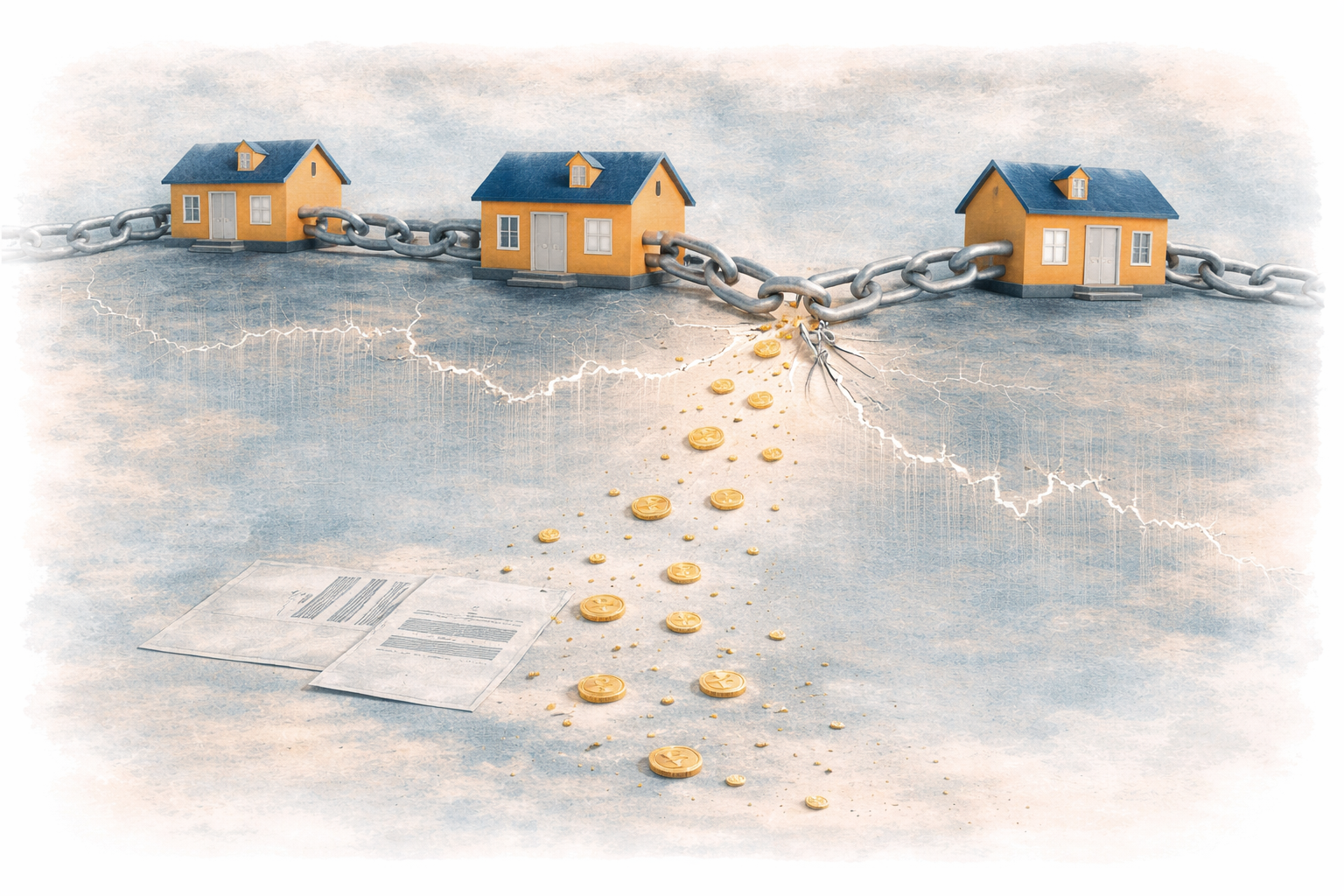
Most conveyancing firms think of chains as an operational problem — something that slows transactions down and creates extra work. That framing understates the issue....
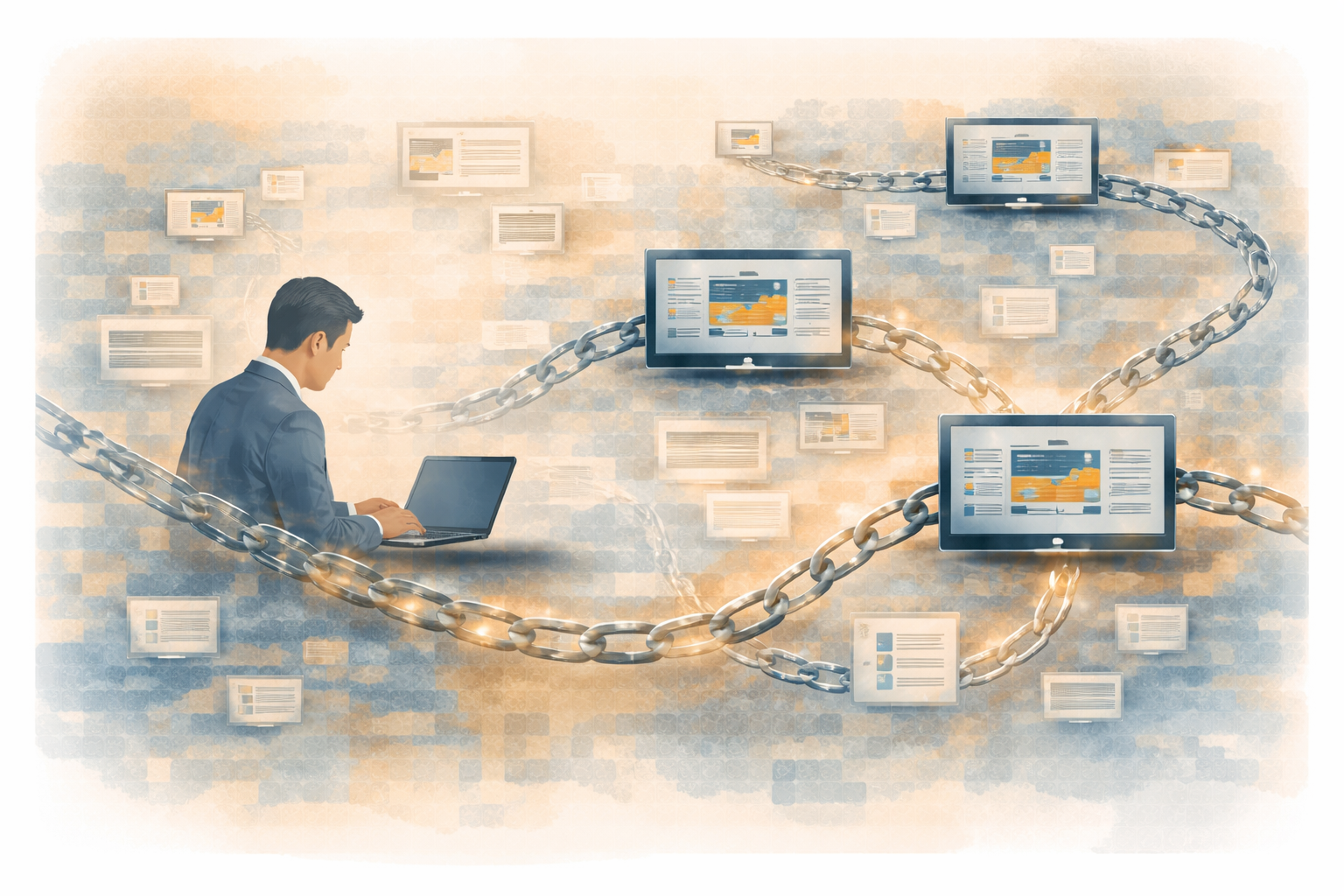
In most conveyancing firms, performance is measured by activity: files progressed, enquiries answered, completions achieved. The difficulty is that without chain...
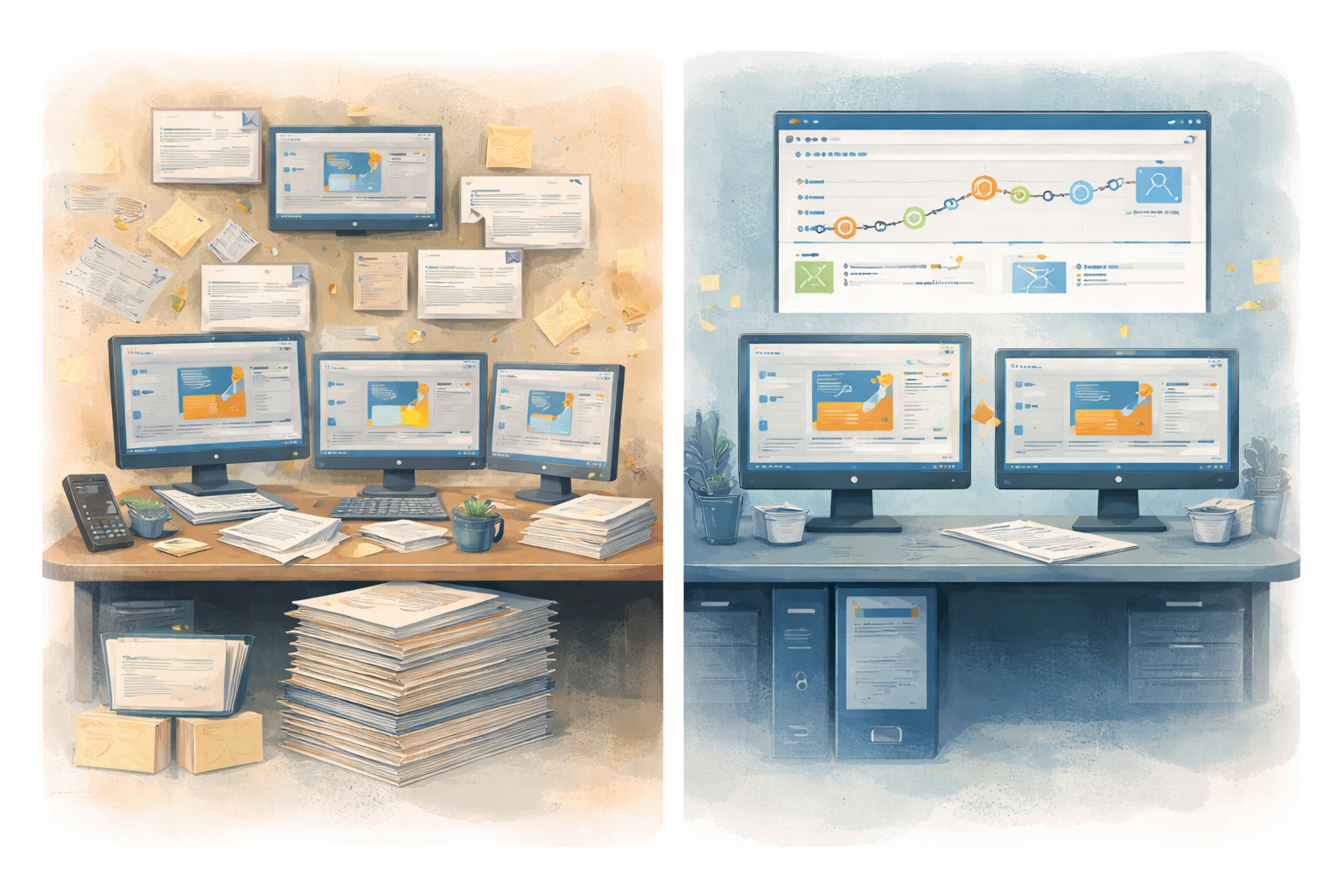
The conceptual case for chain visibility has been made. But for any firm considering it, the question that matters is simpler: what actually changes in the day-to-day? ...